
Herbal Medicine is about living in harmony with Mother Nature and appreciating that our wholistic health is intrinsically connected to living by her laws. Laws that include drinking clean water, eating natural foods, following our circadian rhythm(1), moving our bodies frequently, and wherever possible using nature to heal our ailments. This blog, Herbal Medicine Part 3, looks at the healing properties of Calendula, one of nature’s potent remedies for a myriad of ailments.
Oh, and here are the links to GreenWitch Tea Blogs, Herbal Medicine Part 1 and Herbal Medicine Part 2 in case you missed them.
Calendula (more commonly known as ‘marigolds’, and belonging to the daisy family) is an astringent, antiseptic, antifungal, anti-inflammatory, antibacterial and antimicrobial.
It can be used to treat:
- All manner of skin conditions ~ including inflamed skin, dry skin, eczema, psoriasis, dermatitis, nappy rash, bed sores, sunburn, minor burns.
- Eye irritations ~ including allergies, pink-eye, dry or itchy eyes.
- Oral health issues ~ including the bacteria that causes gingivitis and cavities, and also,
- Cold-sores, chilblains, varicose and spider veins, leg ulcers, menstrual problems, and sluggish liver.
It can be applied externally as a cream, oil, lotion or compress; or taken internally as a tincture, tea, or the fresh petals can be sprinkled over meals (giving you not just the health benefits, but the added bonus of turning your meal into a visual delight).
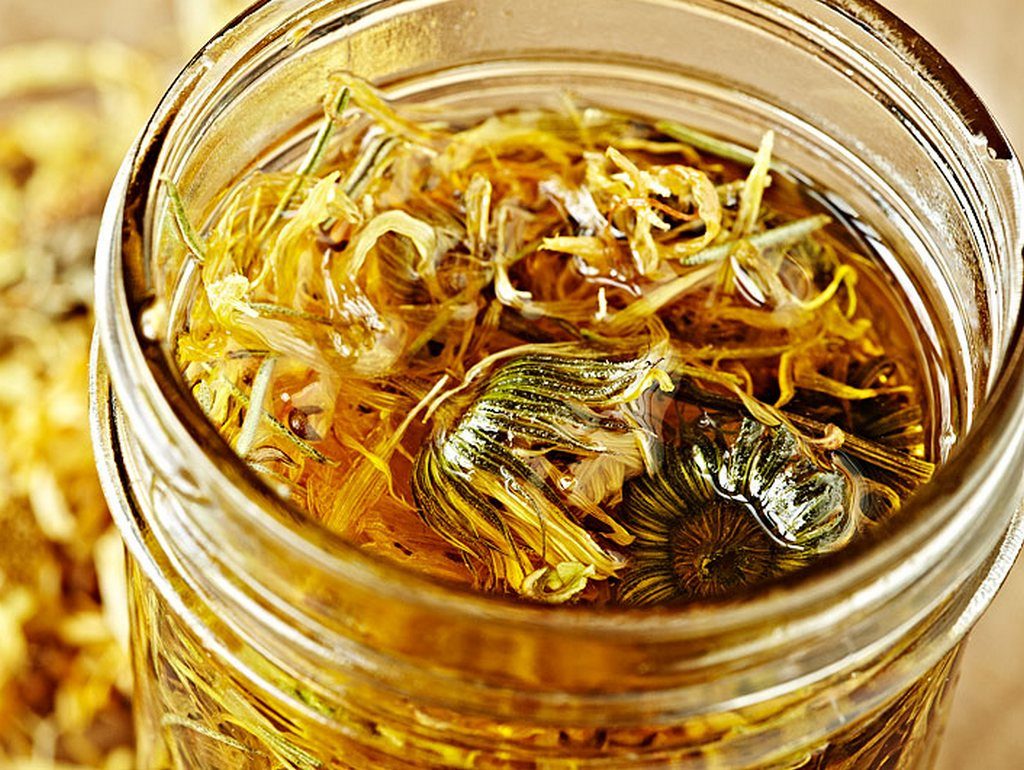
Two superb calendula remedies you can make at home are ~ calendula oil and calendula tea. They are simple, safe, and you will have fun playing the herbal alchemist.
Calendula oil
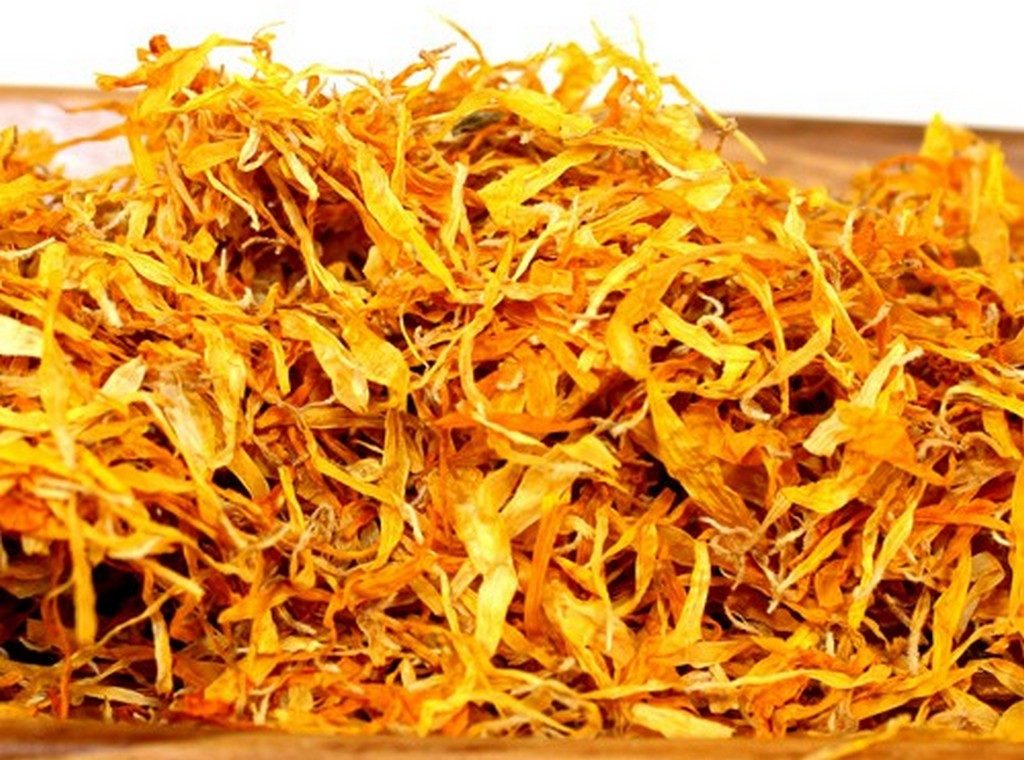
All you need is organic olive oil and organic, dried(2) calendula flowers.


2 Comments. Leave new
Cats on the other hand, are great reading companions,
and they crack me up with how spastic they are (except the couch shredding thing, but what
are you going to do, right?
Cats are great companions and familiars ~ for reading and lots of other stuff too ~ absolutely… Blessings Damien